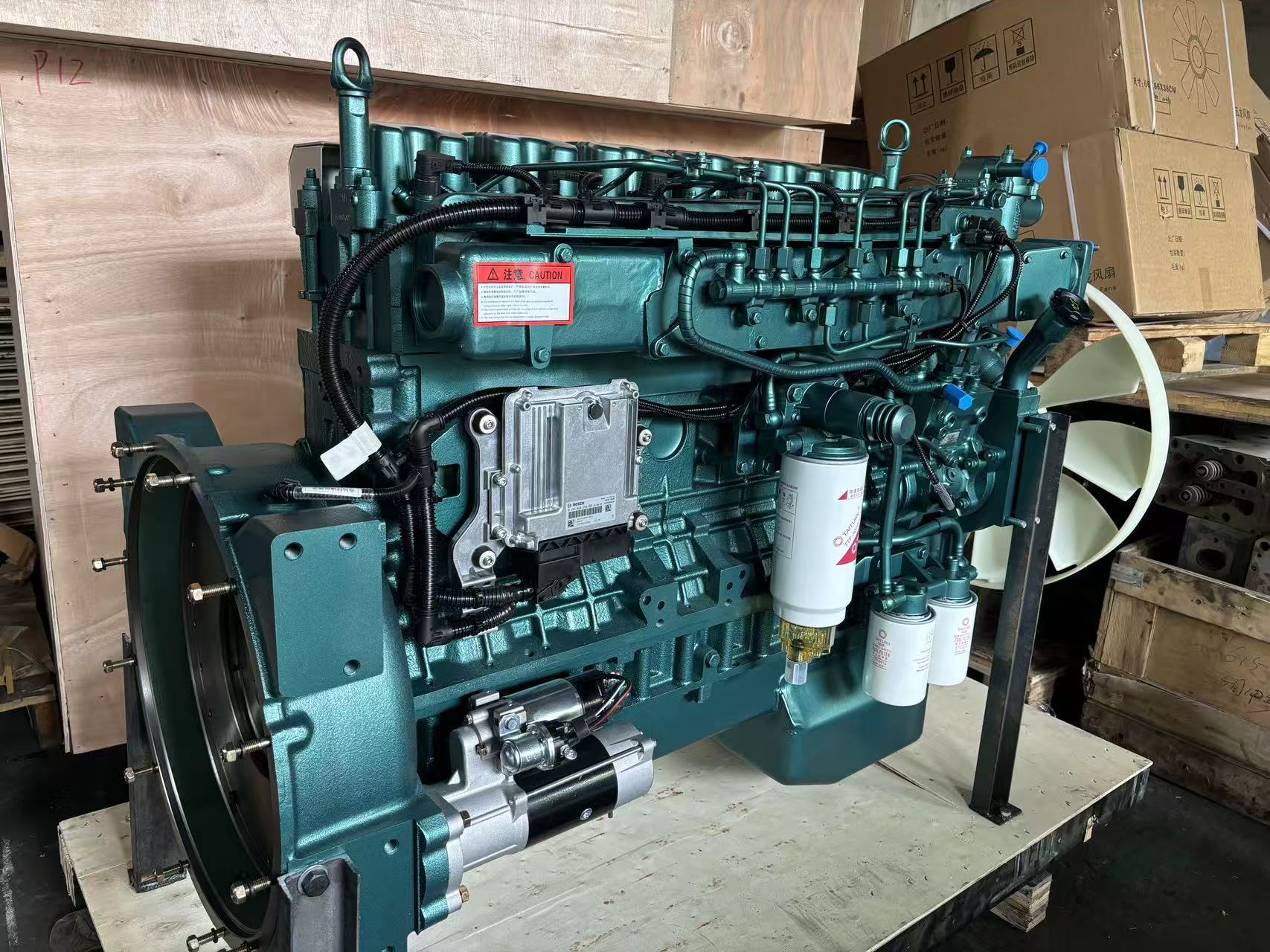


Weichai engines—the WP10, WP12, and the newer WP13—are notoriously robust. They tolerate abuse that would kill a European engine. But they aren’t indestructible. Understanding what wears, why it wears, and how to fix it correctly is the difference between a $3,000 in-frame refresh and a $9,000 nightmare.
Before you start ordering parts, you need to know what’s under the hood. The WP10 is the classic 9.726-liter workhorse. The WP12 is the bigger 11.596-liter brother, sharing the same architecture but demanding higher tolerances due to higher rail pressures. The WP13 (12.54 liters) is a higher-precision beast.
Crucial Advice: Don’t assume parts are interchangeable. While some items like connecting rod bearings and main bearings are shared, cylinder blocks, heads, and pistons are specific. Always check the part number.
When you’re doing an in-frame, here is where you shouldn’t cut corners:
Weichai’s Bosch-sourced common-rail system operates at up to 1,800 bar (26,000 PSI). At this pressure, even microscopic debris acts like a sandblaster inside your injectors.
Use the genuine primary (VG1540080311) and secondary (VG1560080012) fuel filters. In harsh environments, cut your service intervals in half. If you are buying replacement injectors (e.g., VG1560080276), ask the hard questions: Are they new, licensed OEM, or rebuilt? If they are rebuilt, ask for the test bench calibration data. If they can’t provide it, don’t install them.
A professional in-frame rebuild (using quality parts) usually runs $4,000–$6,000. A new WP12 engine is $12,000+. If the engine has less than 800,000 km and a single failure point, rebuild it. If the crankshaft, camshaft, and block are all showing significant fatigue, save yourself the stress and opt for a new unit.
If you run a fleet, keep these on the shelf:
Downtime costs more than the inventory. Having parts on the shelf isn’t an expense—it’s profit protection.
WeiChai engines aren’t complex. They don’t require magic. They require discipline. The discipline to change filters on time, the discipline to use the right oil, and the discipline to investigate a strange noise before it turns into a catastrophic failure. Take care of the engine, and it will take care of your bottom line.
Are you running your trucks primarily on highway routes or in heavy-duty mining/off-road conditions? I have some specific tips on air intake upgrades depending on your operational environment.