


Across case studies, dealer feedback and operator testimonials, the reasons truck owners choose to buy and keep Shacman/HOWO-style trucks cluster into practical categories:
These motivations are practical and repeated across mine sites, roadworks projects and regional haulage firms.
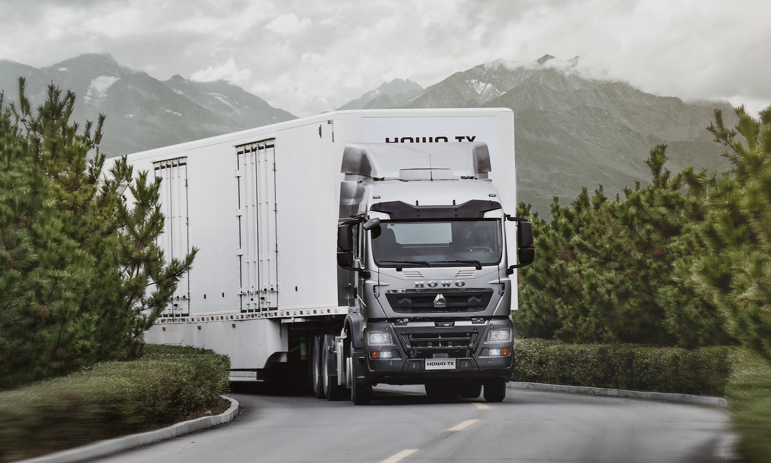
Strengths that created market fit — and how to amplify them
Your company’s success in Africa likely rests on several build-and-go strengths. To lock in and grow market share, consider amplifying these levers:
Expand certified-service centers and short-cycle parts depots in major regional hubs.
Offer operator training programs (eco-driving, load management, basic diagnostics). These reduce user costs and build loyalty.
Create “outback kits” — preassembled parts packages (filters, belts, bearings, cooling components) shipped quickly to remote sites — to minimize downtime.
Tailor payment terms to seasonal cash flows (agricultural harvest cycles, construction project milestones).
Offer extended, region-specific warranties tied to verified maintenance schedules to reduce buyer risk perception.
Partner with local bodybuilders and upfitters so customers can buy a cab/chassis and get a ready-to-work vehicle locally (reduces customs/import bills and supports local jobs).
Create joint marketing with major contractors and mining firms to showcase in-field durability.
Sponsor vocational training for diesel mechanics or road-safety programs; community engagement builds brand trust and supports fleet reliability via a deeper skilled local workforce.
Risks and constraints to watch
No success story is friction-free. The African market presents risks you should actively manage:
Perception of quality and long-term reliability. Even as many operators report satisfaction, lingering skepticism about long-term durability persists among larger buyers used to European brands. Continued transparent data on fleet uptime will help.
After-sales and counterfeit parts. As installed base grows, informal parts channels sprout; ensure customers have easy access to genuine parts and diagnostics so failures don’t erode brand equity.
Regulatory and emissions shifts. As African markets adopt newer emissions standards (driven by urban air-quality policies or donor-funded projects), product planning should consider staged compliance and possible retrofit options.
Competition from global OEMs and local assemblers. Both established European/Japanese OEMs and new local assemblers will continue to compete on differentiated features or localized deals.
Case snapshots (typical deployments)
Mining haulage (West / Southern Africa): Heavy-duty tipper/dump trucks (6×4 or 8×4) working in high-abrasion, high-load conditions. Users cite engine cooling and reinforced axles as decisive.
Regional long-haul freight (East/West corridors): Tractor-trailer combinations used for intercity freight; buyers favor trucks with torque at low RPM for fuel economy on long distances. HOWO tractors and Shacman long-haul rigs are both present.
Urban construction & municipal fleets: Mixer trucks and medium-duty tippers supply urban construction projects; the availability of after-sales support and parts is a primary buying factor.
How to tell the story in marketing (practical messaging)
Lead with operator outcomes: “X% less downtime in mine operations” or “average spare-part lead time under 72 hours in-region” are concrete claims that resonate. (Make sure any performance claims are backed by measured internal or partner data.)
Showcase local presence: Use photos and case studies from local assembly lines, staffed service centers and customer testimonials. Local proof builds credibility.
Emphasize TCO, not just price: Many buyers still shop on capex — reframe messaging around operating cost per ton-km, uptime percentage, fuel consumption and resale value.
Promote training and parts guarantees: Offer visible guarantees (e.g., parts availability SLAs, certified mechanic networks) to convert hesitant buyers.
Final thoughts — from short-term sales to long-term leadership
The rise of the Shacman truck and the popularity of the HOWO truck are not accident — they are the product of vehicles that genuinely fit the operating realities on the ground, paired with distribution and financing moves that reduce buyer risk. For your company, the next phase of growth in Africa is about converting trial buyers into brand advocates by making ownership easy, predictable and profitable.
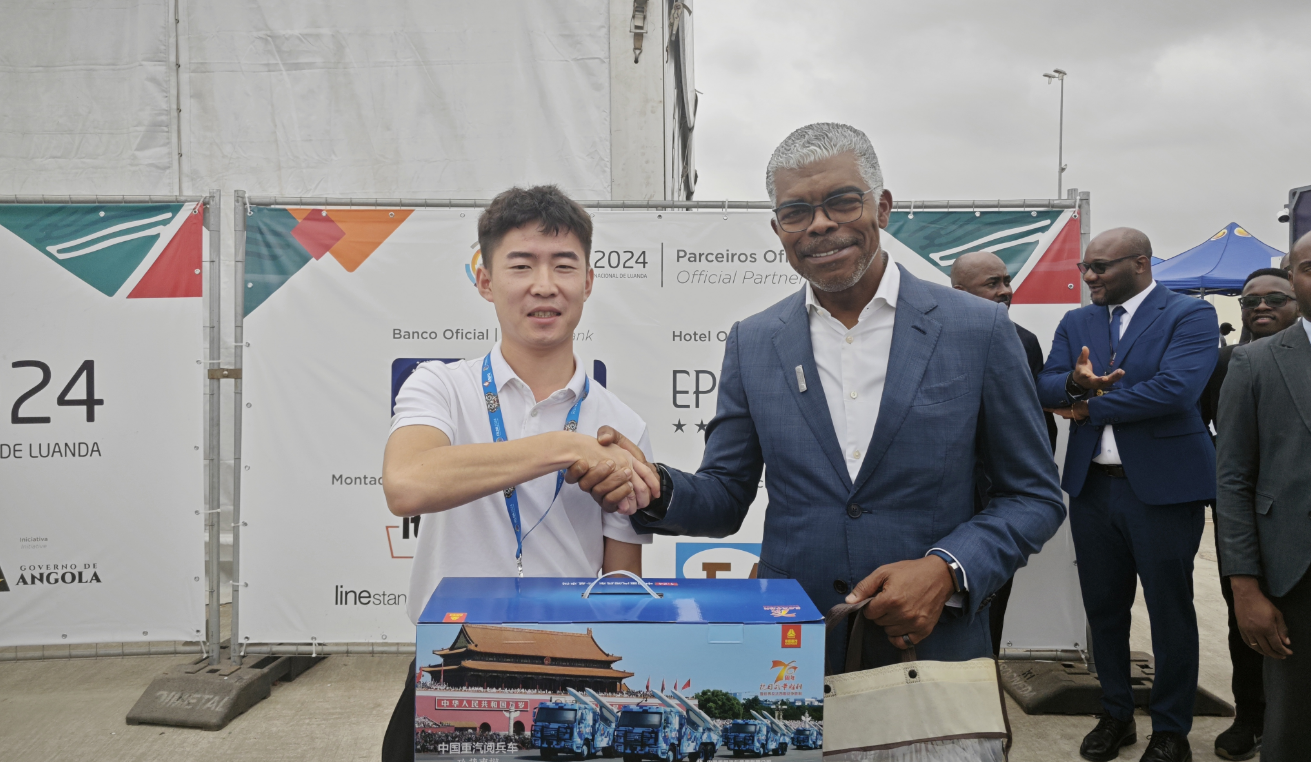
In practical terms:
continue to roll out regional service and parts infrastructure,
publish verified uptime and TCO case studies,
offer training and financing that match local business rhythms, and
partner with local bodybuilders to deliver turn-key solutions.
Do these things, and the trucks that are now valued for price and robustness will increasingly be valued for trust, predictability, and total cost savings — the foundation of long-term market leadership.