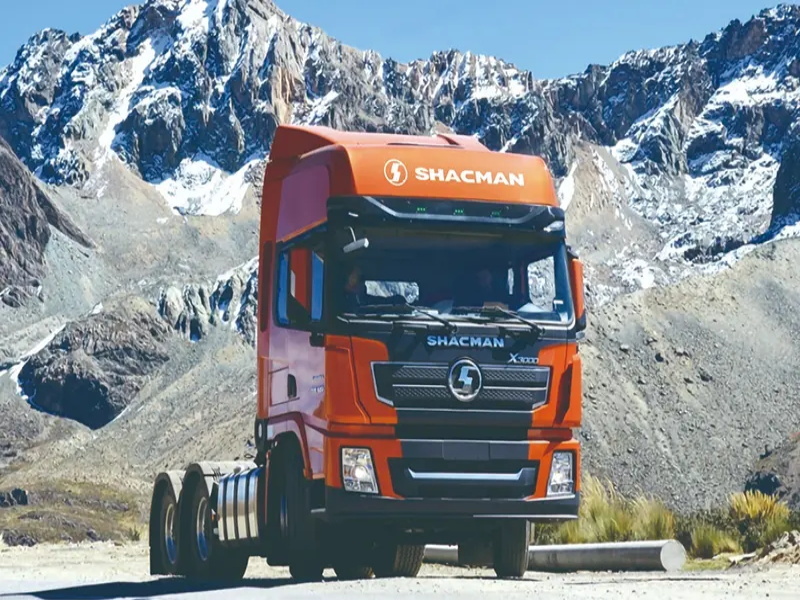


Algiers, Algeria – [Current Date] – In the vast and demanding landscapes of Algeria, where rugged terrains, extreme climates, and the relentless demands of infrastructure development define the transportation sector, one name has risen above the rest to become synonymous with durability, performance, and unwavering customer satisfaction: **Shacman**. Over the past decade, Shacman trucks—manufactured by Shaanxi Automobile Group, a leading Chinese commercial vehicle manufacturer—have not only captured a dominant market share in Algeria but have also earned widespread recognition as the preferred choice for logistics companies, construction firms, mining operations, and government projects alike. From the bustling ports of Algiers to the remote deserts of the Sahara, Shacman trucks are powering Algeria’s economic growth, earning acclaim for their rugged engineering, cost-effectiveness, and the comprehensive support network that backs them.
This press release explores the remarkable journey of Shacman in Algeria, examining the factors behind its widespread recognition, its impact on the nation’s transportation and infrastructure sectors, and the strategic partnerships and customer-centric innovations that have solidified its position as a trusted industry leader.
Algeria, the largest country in Africa by land area and a key economic player in the Maghreb region, has long faced challenges in developing a robust and efficient transportation network. With a geography that spans from the Mediterranean coast to the arid expanse of the Sahara Desert, the nation requires heavy-duty trucks capable of withstanding extreme conditions—from scorching heat to rough, unpaved roads. Historically, the Algerian market was dominated by European and Japanese truck brands, which, while reliable, often came with high acquisition and maintenance costs, making them less accessible to中小型 enterprises (SMEs) and independent operators.
Shacman entered the Algerian market in the early 2010s, leveraging China’s growing presence in African infrastructure and trade under the Belt and Road Initiative (BRI). Unlike competitors that focused solely on sales, Shacman adopted a holistic approach—combining competitive pricing, localized manufacturing, and a commitment to after-sales service. This strategy resonated deeply with Algerian customers, leading to rapid market penetration. By 2018, Shacman had already sold over 40,000 units in Algeria, capturing approximately 80% of the heavy-duty truck market share—a testament to its widespread acceptance and trust among local operators.
The inauguration of Shacman’s first assembly plant in Setif, eastern Algeria, in May 2018, marked a pivotal moment in this journey . Established as a joint venture with the Algerian Mazouz Group, the plant symbolized Shacman’s long-term commitment to the Algerian market and its alignment with the nation’s economic diversification goals . With an annual production capacity of 3,000 heavy-duty trucks, the facility not only ensured a steady supply of vehicles but also created over 8,000 jobs, including 1,600 direct positions, contributing significantly to local employment and skill development.
2.1 Unmatched Value for Money
One of the primary reasons for Shacman’s widespread recognition in Algeria is its exceptional value proposition. Algerian fleet operators and independent truck owners operate in a highly competitive environment where profitability hinges on minimizing total cost of ownership (TCO). Shacman trucks offer a compelling balance of affordability, durability, and performance, making them an ideal choice for cost-conscious customers.
Compared to European counterparts like Scania, Volvo, or Mercedes-Benz, Shacman trucks are priced 30–40% lower, without compromising on core performance metrics. For instance, the Shacman F3000 and X3000 series—popular models in Algeria—are equipped with powerful Weichai engines (a subsidiary of Weichai Power, a global leader in commercial vehicle powertrains), offering horsepower ranges from 350 to 460 HP, meeting Euro 2 to Euro 5 emission standards . These engines are renowned for their fuel efficiency and reliability, crucial factors in a country where fuel costs constitute a significant portion of operational expenses.
Moreover, Shacman’s pricing strategy extends beyond the initial purchase. The brand offers competitive financing solutions through partnerships with local financial institutions and the Mazouz Group, enabling SMEs and individual operators to acquire trucks through flexible payment plans. This accessibility has democratized heavy-duty transportation in Algeria, empowering a new generation of entrepreneurs to enter the logistics and construction sectors.
2.2 Rugged Engineering for Algerian Conditions
Algeria’s diverse geography—ranging from mountainous regions to desert highways—demands trucks that can endure extreme stress. Shacman vehicles are engineered with reinforced chassis, heavy-duty suspensions, and robust drivetrains specifically designed for off-road and high-load applications. For example, the Shacman M3000 and H3000 series are widely used in mining and construction projects across southern Algeria, where they transport aggregates, machinery, and materials over unpaved roads in temperatures exceeding 50°C.
The brand’s success in such harsh environments is not accidental. Shacman conducts extensive field testing in Algeria, collaborating with local operators to refine vehicle specifications.
Feedback from drivers and fleet managers is systematically integrated into product development, ensuring that each new generation of trucks is better suited to Algerian conditions. This customer-driven innovation has resulted in features such as enhanced cooling systems, dust-resistant filters, and reinforced undercarriage protection—all tailored to maximize uptime and reduce maintenance frequency.
2.3 Localization and Technology Transfer
Shacman’s commitment to Algeria extends beyond sales and service—it is deeply rooted in localization and technology transfer. The Setif assembly plant is not merely a manufacturing facility; it is a hub for knowledge exchange and skill development. Algerian engineers, technicians, and assembly line workers receive comprehensive training from Chinese experts, gaining expertise in modern manufacturing processes, quality control, and vehicle diagnostics.
This emphasis on local capacity-building aligns with Algeria’s national strategy to reduce import dependency and develop a self-sufficient automotive industry. By producing trucks locally, Shacman has significantly reduced lead times and spare parts costs, further enhancing customer satisfaction. Additionally, the plant adheres to international quality standards, with each vehicle undergoing rigorous testing before delivery, ensuring consistency and reliability.
The long-term vision, as articulated by Mazouz Group executives, is to evolve from assembly to full-scale indigenous manufacturing, integrating local suppliers into the Shacman value chain. This ambition underscores the brand’s role not just as a vehicle provider but as a strategic partner in Algeria’s industrial development.