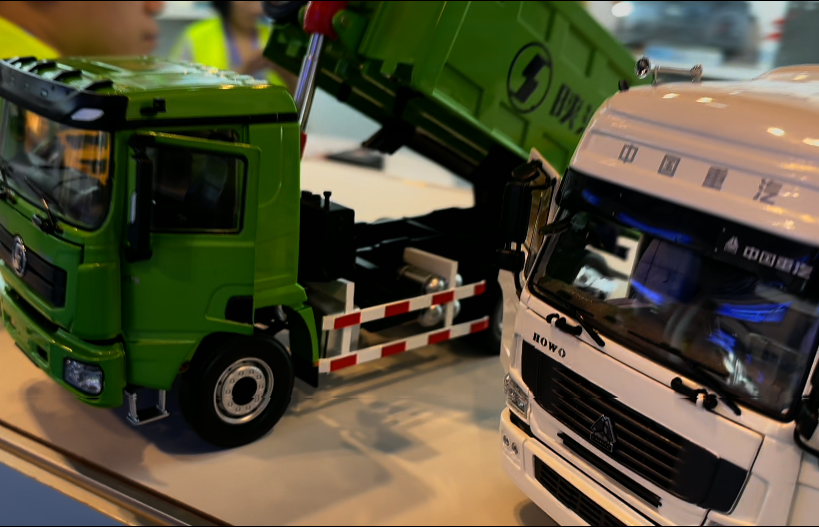
Conquering the Continent: The Unstoppable Rise of Shacman and HOWO Trucks in Africa
SHARE TO :
Across the vast and varied tapestry of the African continent, a quiet revolution is rumbling. It’s not powered by silicon chips or digital networks, but by diesel, steel, and sheer, unbreakable determination. This revolution is the story of economic growth, infrastructural development, and the vehicles that are making it all possible. On every newly paved highway, at every bustling port, and deep within the heart of mining and construction sites, two names have become synonymous with progress and reliability: Shacman truck and HOWO truck.
These brands, hailing from China’s Shaanxi Automobile Group and Sinotruk respectively, have not merely entered the African market; they have come to dominate it. Their logos are now as common as the baobab tree on the landscape, a testament to a perfect alignment of product, price, and practicality that has resonated deeply with African businesses and entrepreneurs. This article delves into the multifaceted reasons behind this phenomenal success, exploring how these trucks have become the indispensable workhorses powering Africa’s ascent.
The African Landscape: A Crucible for Commercial Vehicles
To understand the success of Shacman truck and HOWO truck models, one must first appreciate the unique and unforgiving demands of the African operating environment. This is not a market for delicate machinery or vehicles designed solely for pristine European autobahns.
Extreme Terrain: From the sandy dunes of the Sahara to the muddy, rutted tracks of the Congo Basin, and the rocky inclines of East African highlands, African roads are a brutal test of a vehicle’s durability. Suspensions are punished, chassis are twisted, and engines are pushed to their limits.
Harsh Climate: Scorching heat, pervasive dust, and torrential seasonal rains create a perfect storm for mechanical wear and corrosion. Cooling systems, air filters, and electrical components must be exceptionally robust.
Economic Realities: For most fleet owners and owner-operators, the initial purchase price is a critical factor. High upfront costs can be a prohibitive barrier to entry. Furthermore, the total cost of ownership—encompassing fuel consumption, maintenance, and parts availability—is meticulously calculated. Downtime is not an inconvenience; it is a direct threat to livelihood.
Versatility is Key: A single truck may be required to haul heavy mining equipment one week and transport perishable agricultural goods the next. The ability to adapt to various roles—tipper, tractor, cargo, or tanker—is a significant advantage.
It is within this challenging crucible that the Shacman truck and HOWO truck have proven their mettle, not by being the most technologically advanced or luxurious, but by being the most appropriate.
The Shacman Phenomenon: Built on a Legacy of Strength
The Shacman truck brand carries with it the DNA of its legendary predecessor, the Steyr truck, a European workhorse known for its indestructible build. Shacman acquired this technology and refined it for modern manufacturing, creating a product line that strikes a perfect chord with African needs.
The Unbreakable Chassis and Powertrain: At the heart of everyShacman truck is a reputation for near-indestructibility. The chassis, often over-engineered by Western standards, is a perfect fit for African loads and roads. It can handle the notorious overloading that is, regrettably, a common reality in many transport sectors without succumbing to fatigue or failure. Coupled with robust axles and a proven powertrain, often powered by reliable Weichai engines, the Shacman truck is built from the ground up to last. This durability translates directly into a lower total cost of ownership, as the core structure of the vehicle remains sound for years, even under extreme stress.
Simplicity and Ease of Maintenance: A key differentiator for theShacman truck is its mechanical simplicity. Unlike many modern European trucks packed with complex electronics and proprietary systems, the Shacman truck is designed to be understood and repaired by a wide range of mechanics. This is a critical advantage in remote areas where a Master Technician from a premium brand is a thousand miles away. The simplicity extends to parts commonality; many components are shared across different Shacman truck models, making it easier and cheaper for workshops to stock essential spares. This ecosystem of ease-of-repair fosters local entrepreneurship, creating a network of independent garages that can service these vehicles, further embedding the brand into the local economy.
Competitive Pricing and High Value: The most immediate and obvious appeal of aShacman truck is its price point. It offers a significantly lower initial investment compared to its European, American, and even some Japanese counterparts. This opens up opportunities for small and medium-sized enterprises (SMEs) to acquire assets and grow their businesses. For an aspiring entrepreneur, a Shacman truck is not just a vehicle; it is a key to economic empowerment, a tool to build a future. The value proposition is clear: you get a capable, durable, and spacious truck for a fraction of the cost.
The HOWO Powerhouse: A Synonym for Heavy-Duty Performance
While Shacman truck models excel in rugged reliability, the HOWO truck has carved out its own formidable reputation, particularly in the heavy-duty and specialized sectors. Sinotruk’s HOWO truck range is often perceived as a step-up in terms of cab comfort and powertrain sophistication, while still maintaining the core principles of value and durability.
Dominance in Mining and Construction: Visit any major mining operation in Zambia,the DRC, or South Africa, and you will see fleets of HOWO truck tippers and dump trucks. These vehicles are engineered for the most punishing cycles: constant loading, short hauls on terrible site roads, and exposure to dust and vibration. The HOWO truck in this configuration typically features a powerful, high-torque engine and a heavily reinforced tipper body that can withstand the impact of rocks and ore. Their performance in this sector has built a reputation for the HOWO truck as an almost unstoppable force, capable of moving the earth itself.
Enhanced Driver Comfort and Safety: Recognizing that long-haul transport is growing across Africa,the HOWO truck often comes with a more refined cabin than its competitors. Features like better suspension seats, more ergonomic controls, improved soundproofing, and even basic sleeping berths make a world of difference to a driver on a multi-day journey from Mombasa to Kigali. This focus on the human operator not only improves the quality of life for drivers but also enhances safety by reducing fatigue. Modern HOWO truck models also incorporate more advanced braking systems and safety features, aligning with a growing emphasis on road safety standards.
A Comprehensive Model Range: TheHOWO truck portfolio is incredibly diverse. Beyond the iconic tipper, you find HOWO truck tractor units pulling containers from ports, HOWO truck mixers at construction sites for new skyscrapers, and HOWO truck cargo trucks transporting goods across borders. This versatility means that a logistics company can standardize its fleet on the HOWO truck brand for different applications, simplifying training, maintenance, and parts inventory.